FEET by Fabiola Mecías Pumar.
I see my feet, they are there at the bottom or at the beginning of my body, it depends on how one builds the idea of the body. I could look at them, they are here with me, they are part of me, but I am seeing them in my mind, thinking about them, what relation have I with them?
My feet are one of my favourite parts of my body. They are little and they have sinuous lines. And I like lines, sinuous lines specially. I am particularly sensible to lines, curved lines cause me a sort of pleasure (it is not by accident that I have decided to be a painter).A convexity, then concavity, then convexity again. These curves give contour to their profiles. They are little and now some wrinkles have appeared.
They are free feet. I have never liked the sensation on them of being packed tight. Seeing some feet coming out of their shoes overwhelmed, distorted, deformed, displeases me so much it seems they have been prisoners to footwear. I can remember myself being a six-year-old child, in bed, before sleep, giving a massage to my feet, wanting them to expand at the end of the day. I kept doing that naturally and spontaneously. Then in my twenties theatre lessons came along and dance lessons, and here to massage the feet became part of the training. Once one of my theatre teachers ( I am really grateful to her, I have really learnt from her) told us: " A bird can fly high because it has good clutches to grip". It is true, they need them to properly seize a branch at landing. Land is the base. Feet. A bird knows that if air provides great pleasures, freedom, a wide perspective and light and delightful support (who has not dreaming of flying or, who has not flying on dreaming?), land nourishes and gives rest. So, feet if you are confident at a good landing, then you feel able to fly to remote worlds so you can create in reality.
One can also see the body as a tree, so feet are one's roots and if one is well-rooted, well planted, one can develop well.
And I love dancing, and walking and running, and travelling. By saying that, a sentence comes to my mind, it is written on a book which is my treasure, my mother began to write it when I was born to register my first days and filled it with photos. One of the sentences is written in first person as if it was me talking after having just started to walk. The phrase is: "I could not believe that it would be so great to walk and to run!"
Feet, then a world
THE SINK by Pili Ortega
The sink is the place where, at nights, I look for the most hidden secrets of my neighbours. There, next to the sink, while they are not watching me, I bring together my eye to the waste pipe and then I can see that small wedding ring which the blonde of the sixth floor has thrown away through the sink, after she found out that her husband had forgotten their anniversary again, although for sure he is not in love with any other woman. I can also hint the disappointed expression of her face, the sadness, the frustration, and later on, I also discover her husband’s wide eye through my sink, his enormous dark eye behind a short-sighted pane of glass which stares at the ring rolling down and reminds himself of the very day he bought it. How happy he smiled! How much love he should have felt just to invest his whole savings in that rolling ring. How stupid he had behaved!! And then, at this real moment, I can also find out through my sink, through his short-sighted eye all the anger, all the rage while he thinks again and again, obsessively, about the nice pair of shoes that this year he had hidden behind the coach just to surprise his blonde in their anniversary day
26/1/09

MASCULINITIES
- READINGS FOR FEBRUARY – MARCH
(FILMS / AUDIOS / TEXTS /PAINTINGS)
TOPIC: “MASCULINITIES”
We will be looking at the shaping of the hero in some literary words. Different notions of the hero will be approached, taking into account autobiography, the picaresque output of masculine “heroic” characters, the concept of the modern hero surviving a hostile world, exiles, and the process of coming to terms with the self. - Where? Vigo - EOI
- When? Tuesdays - 18:30 -20:00
- or 20:00 -21:30
- Room: E8
- EXCERPTS OF THE FOLLOWING WORKS:
1. “The Life and Opinions of Tristram Shandy” (1759) by Lawrence Sterne
( Filmic support, by Michael Winterbottom). 13th and 20th of January
2.“David Copperfield” (1849-50) by Charles Dickens (filmic and textual support).
Topic for discussion: “The Victorian Frame of Mind”. 27th of January
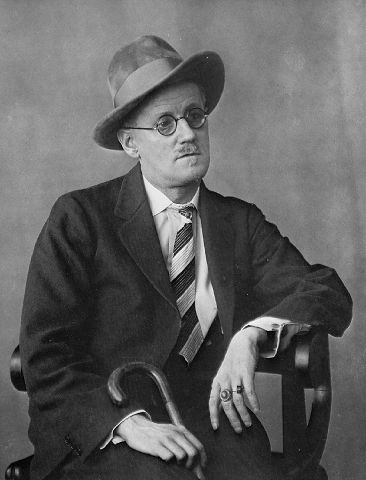
3.“Dubliners” by James Joyce. 3rd and 10th of February. Film: “The Dead” by John Houston
4. The Romantics – William Blake / Samuel Taylor Coleridge / William Wordsworth. Topic for discussion: the Ideals of the French Revolution. Visual Support: Blake’s paintings / BBC Documentary on the Romantics. 17th of February / 3rd of March /10th of March.
5. “The Wizard of the Crow” by Ngugi wa Thiong’o (2006). 17th of March
22/1/09
"Así nacen as baleas", comentario

En Así nacen as baleas, unha moza volve á casa onde naceu por mor da enfermidade da súa nai. É unha novela que fala da incomunicación, da falta de amor e das ausencias, mais tamén do perdón, da madurez e da aceptación do propio destino.
É unha obra ben estruturada. Todas as tramas que xorden ao comezo da novela quedan ben resoltas ao final, porén, conséguese manter a tensión narrativa ao ir debullando, aos poucos, os complexos vínculos entre os personaxes.
Estes están ben construídos: os máis presentes están ben trazados e, dos ausentes, quédanos unha sensación de imprecisión. No entanto, penso que poderían desenvolverse dunha maneira máis ampla aspectos da vida da protagonista: a súa relación coa súa compañeira Ángela, os lazos de Felisa coa protagonista, coa nai e mais con Ramón, como é a vida dos tíos Cándido e Natalia...
Alén disto, considero que na novela se emprega un bo galego cun vocabulario axeitado e amplo e cunha escrita, por veces intimista, que é moi apropiada aos temas expostos no libro
Xurxo Estévez Alonso
21/1/09
Así nacen as baleas: páxinas de aire fresco en palabras.

Vanesa Vázquez Iglesias.
20/1/09
NAS TUAS MÃOS - Inês Pedrosa - Capítulos 1 a 3 (ambos incluídos, pp. 13-33)
Bravo!
Vamos tentar tentar retomar a leitura prazerosa!
Quem tiver vontade poderá solicitar o empréstimo do livro no Departamento de Português.
Coloco umas primeiras questões gerais, para constatarmos se a primeira ideia que nos ocorre do livro eventualmente se mantém ou chega até o fim:
- Quais os temas que trata e que acham irá tratar o relato?
- Quais os traços principais que podem definir a personalidade da Jennifer?
- Qual a primeira valorização crítica sobre o texto?
Enquanto a mim e por enquanto apenas posso transcrever:
''Agora que as guerras acabaram, a primeira coisa a que as pessoas parecem capazes de sobreviver é a si mesmas, e é isso o que mais assusta" (p. 21)
"O amor, Camila, consiste na divina graça de para o tempo. E nada mais se pode dizer sobre ele." (p.23)
19/1/09
Club de lectura de galego
Comentarios da obra Así nacen as baleas, de Anxos Sumai.
Pareceume unha novela sinxela de ler e entender, sen ter un vocabulario rebuscado que fai seguir unha historia familiar, dos nosos días, con interese e con gana de saber como a protagonista resolverá os acontecementos que se lle presentan, mesturados cos recordos da infancia que marcaron a súa personalidade e a relación que ten cos demais personaxes. Principalmente dun, o seu irmán, sobre o que xira toda a historia e sempre está presente.
É a primeira vez que participo aquí e gustoume moito pois ao comenta-la obra cos compañeiros/as, decateime das distintas maneiras que se pode interpretar un mesmo paragrafo, profundar nel e tamén faise moi entretido. Foi un pracer tela lido na escola e comparti-la miña opinión.
Animo a todos/as a participar nos clubs de lectura para poder ve-las cousas dende outros puntos de vista.
Ánxeles Correa Llantada
"Así nacen as baleas" é unha obra que, ao meu entender, é moito máis que unha novela, pois nela atopamos unha morea de sentimentos confusos e, nun principio, incomprensibles para o lector, que, non obstante, acaban entendéndose unha vez lida a obra, pois ao facelo descubrimos unhas vidas cheíñas de feitos que marcan a todos e cada un dos protagonistas.
Persoalmente custoume ler o libro e, se cadra, foi cara ao final cando realmente me dei conta de que é unha historia onde se pode profundar moito máis do que parece. Se quixésemos darlle un enfoque psicolóxico á lectura intentado comprender o porqué dos comportamentos dos protagonistas e, incluso comparar actuacións similares na vida real, tal vez daría moito de que falar.
Marina Rodríguez Campos
18/1/09
Club de lectura de galego

E logo? Que tal vos vai, amigas e amigos?
Como sabedes tivemos unha xuntanza na segunda (12 de xaneiro) e outra na quinta feira (15 de xaneiro). Falamos sobre todo de "Así falan..." e acordamos ler "O paso do noroeste" de Xavier Queipo (Ed. Sotelo Blanco).
Volveremos a vernos o 26 deste mes ás 17.15 (segunda feira) e tentaremos traer lidas até a páxina 37. Dádelle unha vista de ollos á páxina de X. Queipo, desde o noso blog.
En vista da menor asistencia á xuntanza do xoves 15, entendo que non hai interese en facela nese día da semana. A non ser, claro está, que me digades o contrario. Nese caso, espero a vosa resposta.
Ademais, aquel@s de vós que recibides estes correos sobre o club de lectura, se desexades que volo siga a mandar, dicídemo.
Xa comezaron a chegar os comentarios escritos para incluír no blog. (Éntrase a través da páxina da EOI de Vigo). En breve poderemos lelos.
Tamén en breve teremos a Anxos Sumai connosco, así que ide preparando preguntas.
Saúde e até loguiño
O coordinador
Suscribirse a:
Entradas (Atom)


 Entradas

